Scott B.
Real Estate, Mapping, Inspections
United States
InsuredPart 107
360 Video & PhotographyAerial Photographyand 17 more
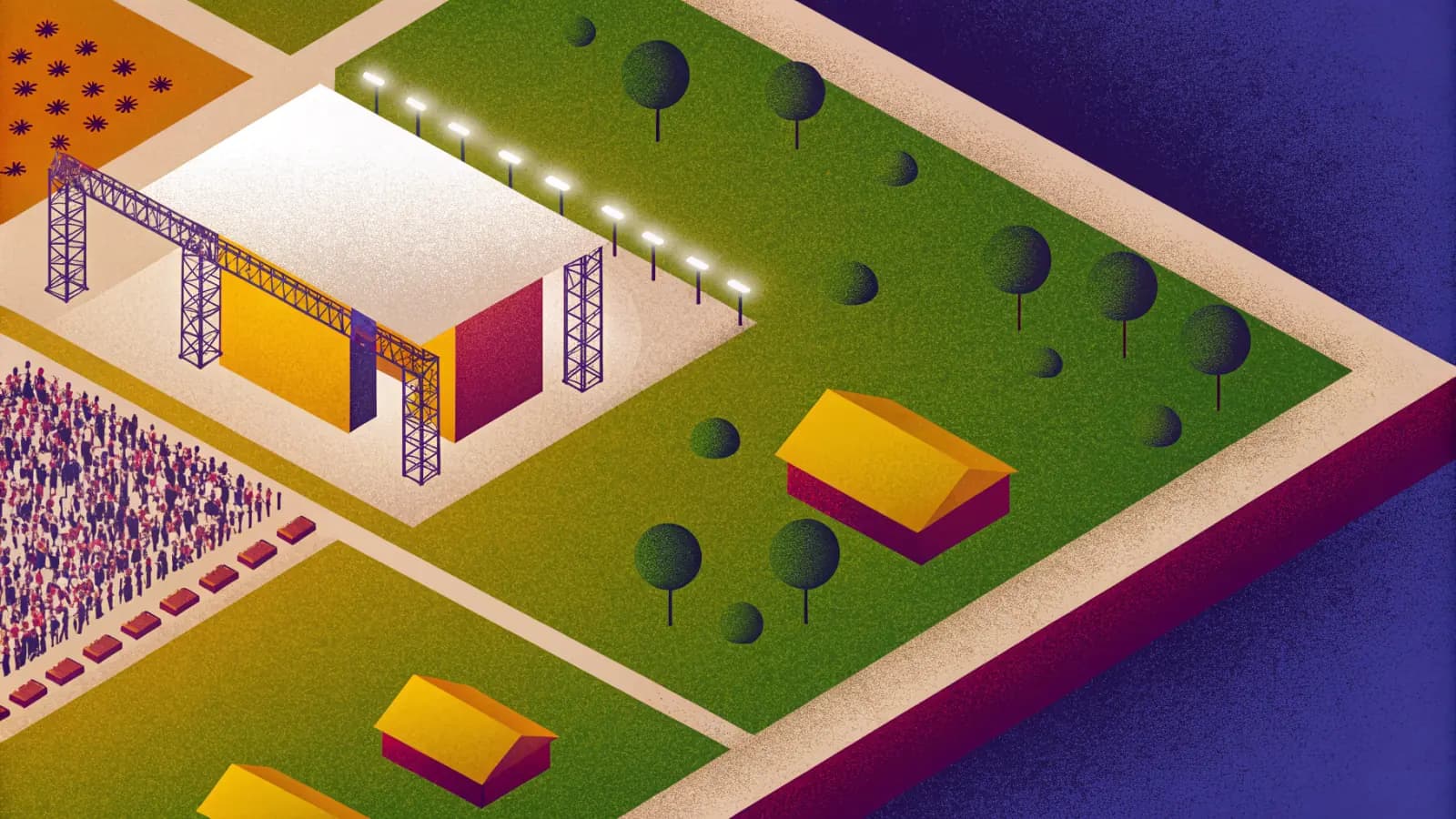
Aerial footage gives an event the sense of scale, atmosphere, and movement that a ground-level camera can never reach.
In a hurry? Start from a ready made event highlights package
Event drone work delivers the shots that define a highlight reel: establishing views that show the scale of the venue and the size of the crowd, tracking shots that follow action across a field or arena, and pull-back reveals that open or close a broadcast package. Overhead angles capture crowd reactions and make event branding and signage read clearly from above.
Different events ask for different things. Music festivals want scale and atmosphere. Corporate outdoor events want clean brand content and footage for internal comms. Sporting events want action and venue coverage. Charity walks and runs want the sheer scale of participation in a single frame. Outdoor product launches want a sense of occasion. Which of those you need is what the flight plan is built from, so say which in the brief.
In practice, pilots fly during lower-density moments, the setup, key entrances, and specific performances, rather than hovering continuously above a crowd. That is what the rules that apply locally require, and it is where the establishing and reveal shots come from.
Aerial coverage is bought by the teams responsible for how an event looks afterwards:
Event work demands advance coordination. The pilot needs the event layout, the expected crowd density, the restricted areas, and any permission the venue or the airspace requires. Flying over uninvolved crowds needs a specific authorisation almost everywhere, which is why matching the right pilot to the job matters. Terasor does not hold or verify pilots' documents. A profile shows what a pilot has chosen to state about their own licences, insurance and permissions; nothing there has been checked by us, and not every pilot fills it in. Ask to see the certificates covering the flying your event actually needs before you book.
Brief the pilot fully before posting the charter: the date, the location, the expected attendance, and the footage you need. On the day, flying happens in agreed windows around the key moments rather than continuously, because that is what the crowd restriction requires.
Filming, edit and licensed music.
| Region | What operators publish | Companies |
|---|---|---|
| United Kingdom | GBP 600 to 1,000 | 6 |
| Mediterranean | EUR 325 to 1,675 | 9 |
| United States | USD 450 to 1,375 | 7 |
| Canada | CAD 250 to 1,500 | 7 |
| Australia | AUD 500 to 1,500 | 7 |
Below our evidence threshold, so stated as observations rather than ranges: New Zealand at NZD 1,225 to 1,725, from 2 companies.
Where an event is bought by the hour rather than by the film.
| Region | What operators publish | Companies |
|---|---|---|
| United Kingdom | GBP 300 to 375 | 12 |
| Mediterranean | EUR 375 to 450 | 5 |
Pricing by the hour or the day is a British and European habit. The United States, Canada and Australia mostly price per site, per visit or per project, which is why these rows thin out sharply outside Europe.
Quoted per project rather than priced openly: multi-day festivals, broadcast delivery and anything needing permission to fly over a crowd.
Insurance, flight planning and permissions are almost always advertised as part of the price rather than charged as extras. A second operator or observer, where an event needs one, is one of the few things this market does itemise.
Where these figures come from. They are measured from prices that drone companies publish on their own websites, read in August 2026. They are not quotes and they are not averages. Each range covers the middle of what publishers in that region charge for that job, the number of companies behind it is shown beside it, and nothing is converted between currencies.
What moves the price. Post production is the largest single factor, and most operators charge for the edit separately from the flying. What you are handed at the end matters next: imagery on its own, an edited film, and a written report are three different products. After that come time on site, travel, and any permission the location needs. Only about one company in five states whether its published price includes tax, so published figures are not always comparable with each other.
One thing worth knowing. The better the operator, the less likely they publish a price at all. The heavy lift and cinema companies, the dedicated survey and LiDAR firms, and the most heavily certificated operators in every region we measured publish nothing. These figures describe the part of each market that does publish.
The pilot is paid only after the footage is delivered and approved, so a booking made weeks ahead of the date is still protected.
Real Estate, Mapping, Inspections

Real estate, music videos, construction
Flying directly over an assembly of uninvolved people is tightly restricted almost everywhere, and it needs a specific authorisation from the aviation regulator wherever the event is. In the UK that authorisation is issued by the CAA. Most event footage is captured without overflying crowds: pilots work the edges, the setup and key entrances, and individual performances, and use height and angle to make the scale read without putting the aircraft above people. That rule shapes the whole shoot rather than one moment of it.
Earlier than most other drone work. Event dates are fixed, venues often need notice, and authorisation for crowd-adjacent flying takes time to arrange wherever you are. Two to four weeks is a sensible minimum, and longer for large festivals or anything inside controlled airspace. Confirming the date first and arranging the flight around it leaves the most room for that.
What is required differs by country. In the UK, beyond the standard Operator ID, Flyer ID and insurance, event work near people generally needs an Operational Authorisation, and flying over crowds needs a specific permission on top of that. Venue and local authority consent may also apply wherever you are. Terasor does not hold or verify pilots' documents. A profile shows what a pilot has chosen to state about their own licences, insurance and permissions; nothing there has been checked by us, and not every pilot fills it in. Ask to see the certificates before you book, and ask for the ones covering the specific work you want done, because a permission that covers one kind of flight often does not cover another.
Yes, and it is the norm for events. The drone provides establishing and reveal shots that complement the ground crew's close coverage. Share your run of show and shot list with both teams, since which moments the aircraft is airborne for is what the edit is built around.
Golden hour, the period shortly after sunrise or before sunset, gives the warmest light and the most flattering footage of a venue and crowd. A daytime event takes the light available, which is often why the venue is shot during setup, when it is clear and the conditions are calm. Note your key moments in the brief so the light can be prioritised where it matters to you.
Which certificates, and what each one covers: What we check, and what you should.