Your First 90 Days as a Freelance Drone Pilot
 MaximAugust 2, 2026
Short answer: the pilots who make freelancing work treat the first 90 days as three jobs done in order. Days 1 to 30 are about getting legal and insured so you can take money safely. Days 31 to 60 are about building proof a client will trust. Days 61 to 90 are about getting in front of people who are ready to pay. Skip a stage and you stall. Here is the plan.
Days 1 to 30: get legal and covered
Nothing else matters until you can fly commercially without risk. Sort your certification for the work you want and the country you fly in, because it varies, so check your local rules first. In the UK that usually means an Operator ID, the free Flyer ID test, and for most paid work an A2 Certificate of Competency; in the US it is the FAA Part 107. Then get public liability insurance, typically one to five million pounds of cover or the local equivalent, since commercial clients will ask for it before they book. Register your drone if your weight class requires it. By the end of the first month you should be able to say yes to a paying job and mean it. There is a fuller walk-through in our guide to becoming a freelance drone pilot.
Days 31 to 60: build proof
Clients hire what they can see, and in your second month you build the evidence. Shoot three or four strong pieces in the niche you want to sell: a property exterior and interior-approach reel, a local landmark, a short cinematic sequence, or a sample inspection pass. A tight portfolio of your best work beats a large one of average work. Set up a simple profile that shows the work, your location, your certifications and your rates, and decide your pricing before anyone asks, so you never quote a number you regret. British companies publish GBP 100 to 350 for an aerial property shoot and GBP 300 to 375 for half a day on site, measured in August 2026; use the earnings breakdown to set rates that fit your market rather than guessing.
Days 61 to 90: get paid
This is where most new pilots stall, so treat finding work as the actual job in month three. Run three channels at once. Cold outreach to local businesses that need aerial regularly, such as estate agents, builders, roofers and event organisers, is slow but yours to keep. Agencies give steadier work but take a large cut. Marketplaces put you in front of clients who are already looking to hire, which is the fastest route to a first booking. On Terasor clients post charters, you bid with your own price and availability, and you keep 90 percent of every charter with no subscription and a flat 10 percent fee. Aim to send a fixed number of outreach messages a week and bid on every relevant charter near you; the goal for day 90 is not a full calendar, it is your first few paid jobs and the reviews that make the next ones easier.
The mistakes that cost you the first 90 days
Three errors show up again and again. Overspending on a professional or specialist drone before you have the work to justify it, when a capable starter drone would win the same early jobs; there is a full breakdown in what drone do I need. Underpricing to win a first booking, which trains clients to expect a rate you cannot sustain. And waiting until the kit and portfolio feel perfect before doing any outreach, when the pilots who get booked are the ones who start selling in month two, not month four.
Start now
If you are already certified, you can be in front of clients today. Create a free pilot profile on Terasor, set your rates, and start bidding on charters near you.
FAQ
How long does it take to start earning as a freelance drone pilot? Many pilots take their first paid job within the first two to three months, once certification and insurance are in place and a small portfolio exists. Steady, repeatable income usually takes longer and depends on how consistently you market.
What should I do first? Get certified and insured for the work and country you fly in. Everything else, including your portfolio and your first bids, depends on being able to take a paid job legally.
Do I need a business or a website to start? Not to start. Many pilots begin as self-employed and use a marketplace profile rather than a website. You can register as a business and build a site as you grow, for tax, liability and credibility reasons.
Where do I find my first clients? Local outreach, agencies and marketplaces, run together. On Terasor you browse charters near you, bid your price, and keep 90 percent of every charter, which is the quickest way to a first booking.
Sources
Co-Founder, Terasor
Documentary and portrait photographer, UK
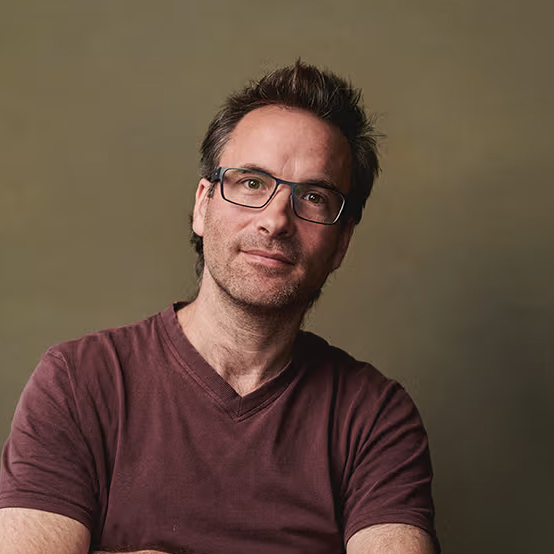
Maxim is Co-Founder of Terasor and a UK based documentary and portrait photographer. He flies a DJI Mini 4 Pro and writes about UK drone regulations, the wider industry, and the platform from a working photographer's point of view.
LinkedIn