Inspection
Infrastructure & Utilities Inspection Drone Pilots
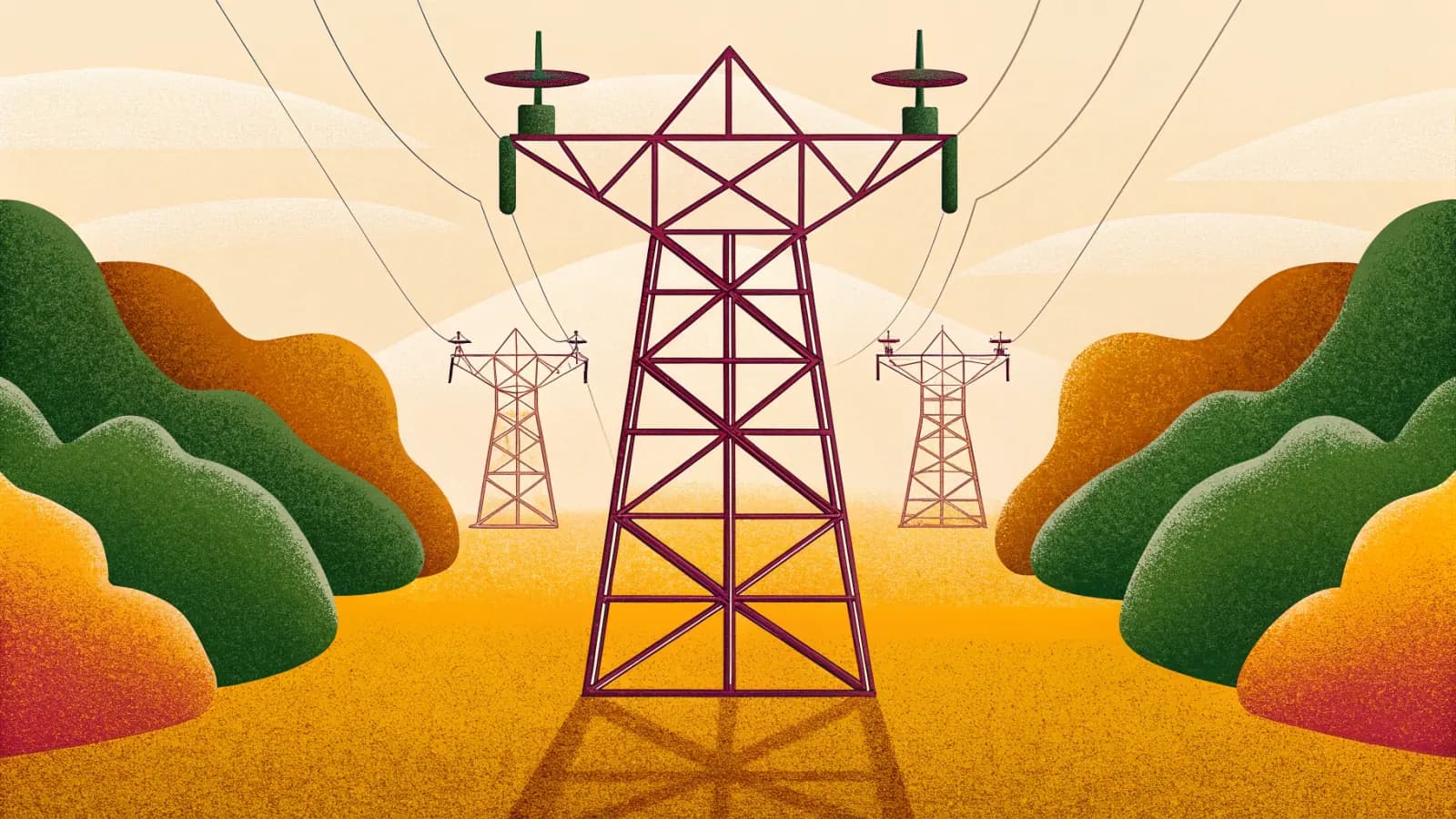
Infrastructure inspection covers assets that are long, tall or hard to reach: towers, pylons, pipelines, culverts and retaining structures. Aerial imagery records surface condition without the access equipment a ground inspection needs. It supplements a formal inspection rather than replacing one.
What this service involves
Infrastructure inspection by drone covers the fixed assets an organisation has to keep in service and cannot easily reach: towers and masts, overhead lines and their supports, chimneys and flare stacks, tanks and silos, water and wastewater assets, pipelines and the corridors they run through, rail structures, quay walls, and industrial roofs and plant. What they have in common is that inspecting them the conventional way means putting somebody at height, on a rope, in a basket or inside a confined space.
That is the argument for the work, and it comes from the regulator rather than from anybody selling it. The Health and Safety Executive sets a hierarchy for work at height which has to be followed systematically, in which work at height is avoided where it is reasonably practicable to do the job another way, and the next level down is considered only where the one above it is not reasonably practicable. An inspection flown from the ground is a way of not sending a person up, and that sits above cost and speed in the reasoning.
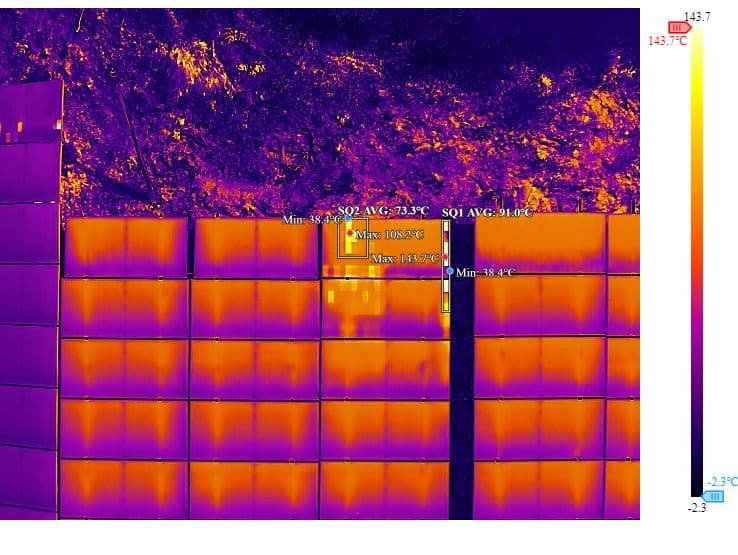
Two sensors do most of the work. A visible camera records physical condition: corrosion, damage, missing fixings, vegetation encroachment, blocked drainage, and what is actually mounted on a structure. A thermal camera records surface temperature, which is how a loose electrical connection, an overloaded component or the level of a fluid inside a vessel becomes visible from outside.
Who hires drone pilots for this, and why
- Utilities and network operators with assets spread across a region, where the cost of an inspection is dominated by travel and access rather than by the looking.
- Engineering and maintenance teams inside industrial sites, who need a condition record on plant that cannot be taken out of service for an inspection.
- Asset managers, lenders and their advisers at acquisition or refinancing, where the condition of an asset has to be evidenced rather than asserted.
- Telecom and broadcast operators auditing what is physically mounted on a structure, which is often not what the records say it is.
- Insurers and engineers after a storm, an impact or a fire, where the extent of the damage has to be established before anybody can safely go up.
What to expect on the day
More of this work is arranged around permission than around flying. Many of these assets sit inside controlled airspace, alongside airports, on port estates or next to live plant, so the aviation permissions and the permit system of the site both have to be in place before a date is worth fixing. Work along a long linear asset commonly needs the aircraft to operate beyond the direct sight of the pilot, and permission for that is not automatic anywhere. It is a separate approval sought in advance from the aviation regulator, and both the rules and the process differ by country. It is worth asking early whether the job needs one, because it is the item most likely to move the date.
Live plant sets its own rules on top of the aviation ones. Minimum approach distances to energised equipment, exclusion zones around vents and flares, and the permit to work usually decide where the aircraft may be, and those belong to the site rather than to the pilot.
Deliverables are normally imagery organised by asset and by component rather than by flight, thermal imagery paired with matching visible frames so that a hot spot can be located on the actual structure, and on repeat work an inventory that can be set against the previous visit. Diagnosis, and any decision to intervene, is separate work by somebody qualified on that class of asset.
Infrastructure & Utilities Inspection: frequently asked questions
Does the asset have to be shut down?
Usually not, and for thermal work it usually must not be. A component only shows a temperature difference when it is working, which is why the international specification for infrared inspection of solar plants defines it as an inspection of modules and plants in operation, and sets requirements for the conditions it is carried out in. An asset inspected cold can look healthy when it is not.
Can it inspect inside a tank, a silo or a chimney?
Indoor and confined space flying is a separate discipline. It uses different aircraft, has no satellite positioning to fall back on, and carries its own risk assessment and entry procedures. Treat it as a different instruction rather than as an extension of an external survey.
What can a camera not tell you?
Anything below the surface. Wall thickness, internal corrosion, weld integrity and the condition of material behind a coating need contact methods and testing. An aerial inspection is frequently used to decide where those are worth doing, which is a narrower and more useful role than replacing them.
Do we need permission from the aviation regulator or from the site?
Commonly both, and they are separate things obtained from separate people. The pilot is responsible for the aviation side, including any authorisation needed to fly beyond direct sight. The site or asset owner controls access, exclusion zones, isolation and permits, and that side is normally arranged by the client.
What stops the flight going ahead on the day?
Wind first, because it is stronger at height and disturbed around structures. Rain after that. In practice, though, the most common reason one of these visits moves is a permission that has not come through, which is why it is the thing worth asking about earliest.
Drone pilots offering Infrastructure & Utilities Inspection

Scott B.
Real Estate, Mapping, Inspections
United States
InsuredPart 107
360 Video & PhotographyAerial Photographyand 17 more
Other drone services
Aerial PhotographyReal Estate PhotographyProperty Flythrough360 Video & PhotographyAerial VideographyFPV (First Person View)Roof InspectionBridge InspectionFacade SurveyThermal ImagingSolar Panel InspectionLand SurveyTopographical SurveyVolumetric SurveyPhotogrammetryRoad SurveyLiDAR SurveyAgricultural SurveyCoastal SurveyEstate SurveyConstruction MonitoringEvent CoverageWedding VideographyFilm & TV ProductionCinematographyLive StreamingTourism & TravelStock Footage
Browse the full drone pilot directory or explore drone services by location.