
Inspection
Roof Inspection Drone Pilots
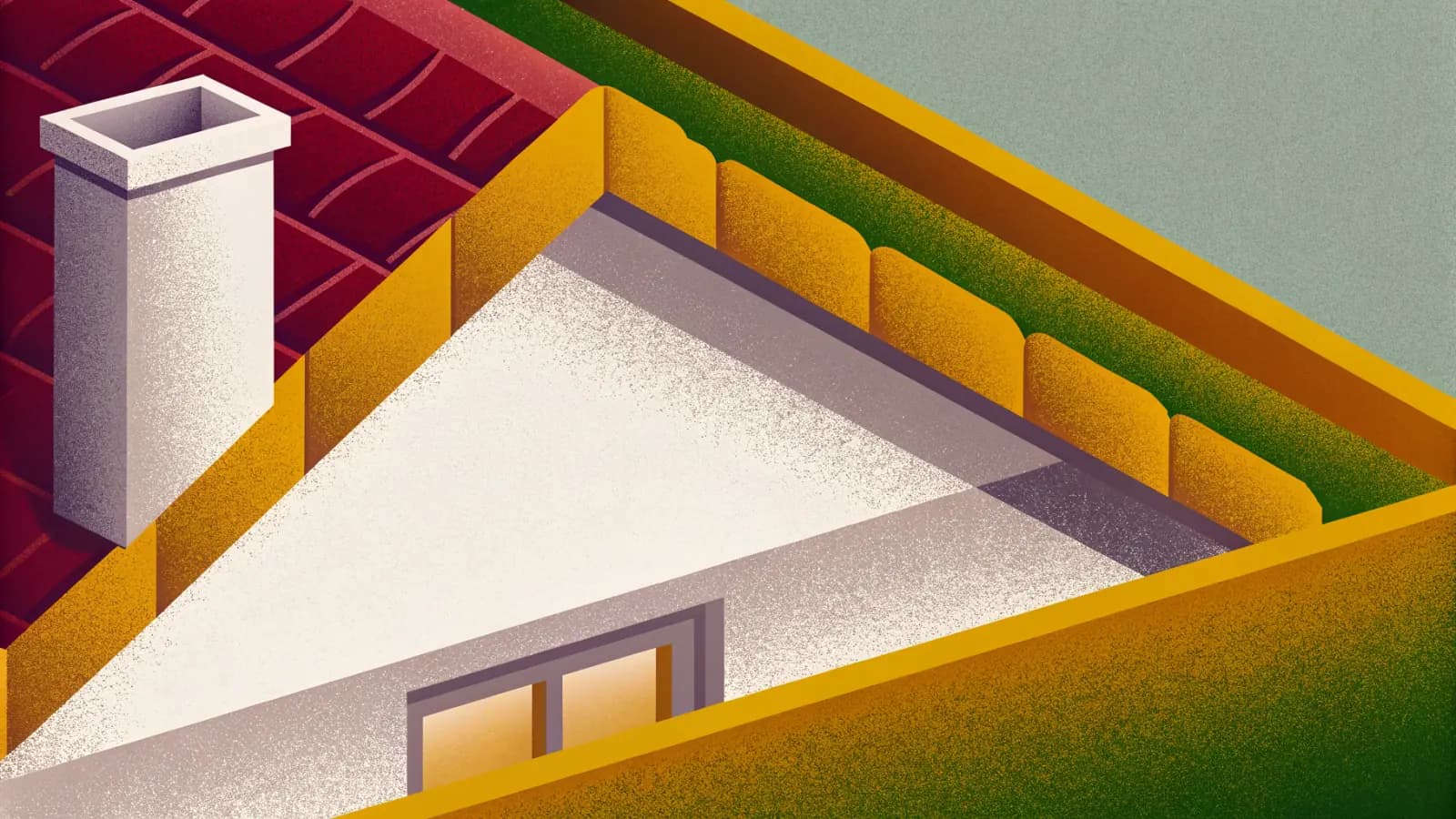
A roof inspection photographs a roof surface at close range without anyone going onto it. Tiles, flashing, ridges, valleys, gutters and penetrations are recorded in enough detail to show where a defect is and how far it extends. Interpreting what it means is a separate piece of work, and drones are one of several ways to inspect a roof.
In a hurry? Start from a ready made roof inspection package
What this service involves
A roof inspection by drone photographs a roof, its elevations and its rainwater goods from above and from the side, without a ladder, a scaffold tower or a cherry picker. The aircraft flies a planned pattern over the roof and around the building, capturing overlapping high resolution stills of each pitch, ridge, valley, flashing detail and gutter run.
The output is imagery rather than an opinion. What the images are worth depends on what they show and how completely they cover the structure, which is why a good inspection flies the whole roof rather than the elevation somebody happened to be worried about.
Who hires drone pilots for this, and why
- Homeowners after storm damage, where the question is whether tiles have lifted or a ridge has moved and nobody wants to put a ladder up to find out.
- Managing agents and building surveyors, who need dated evidence of condition across a portfolio and cannot justify access equipment for a first look.
- Insurers and loss adjusters, for whom the date and completeness of the imagery matter as much as its resolution.
- Solicitors and buyers during a purchase, where a roof is the part of a building a ground level survey sees least of.
What to expect on the day
A residential roof is usually a short visit, and most of what makes it go smoothly happens before anyone arrives. Airspace and permissions are checked ahead of travelling, launch and landing points are picked on site away from people and traffic, and the pattern is flown to a plan. Any of that is fair to ask about when you book.
Deliverables are typically high resolution stills, often with a short overview video of the whole roof. A written report interpreting what the images show is a separate piece of work, priced separately, and needs somebody qualified to make the judgement.
Typical costs
A roof or building inspection
Imagery of the roof, elevations and gutters. A written report is usually charged separately.
| Region | What operators publish | Companies |
|---|---|---|
| United Kingdom | GBP 150 to 500 | 16 |
| Mediterranean | EUR 225 to 475 | 10 |
| United States | USD 225 to 625 | 9 |
Below our evidence threshold, so stated as observations rather than ranges: Canada at CAD 250 to 875, from 3 companies, Australia at AUD 275 to 2,250, from 4 companies and New Zealand at NZD 100 to 250, from 3 companies.
The New Zealand figures are a different product rather than a cheaper market: there the drone survey is sold as an add-on to a builder or pre-purchase report, not as a standalone inspection.
Quoted per project rather than priced openly: thermal imaging, which needs different equipment and a pilot trained to read it.
A written report is usually charged separately from the flight, and the cheapest published figures buy imagery only. No company found anywhere publishes a price for a chartered surveyor report.
Where these figures come from. They are measured from prices that drone companies publish on their own websites, read in August 2026. They are not quotes and they are not averages. Each range covers the middle of what publishers in that region charge for that job, the number of companies behind it is shown beside it, and nothing is converted between currencies.
What moves the price. Post production is the largest single factor, and most operators charge for the edit separately from the flying. What you are handed at the end matters next: imagery on its own, an edited film, and a written report are three different products. After that come time on site, travel, and any permission the location needs. Only about one company in five states whether its published price includes tax, so published figures are not always comparable with each other.
One thing worth knowing. The better the operator, the less likely they publish a price at all. The heavy lift and cinema companies, the dedicated survey and LiDAR firms, and the most heavily certificated operators in every region we measured publish nothing. These figures describe the part of each market that does publish.
Roof Inspection: frequently asked questions
Can a drone inspection replace a surveyor?
No. A drone produces imagery of the roof and elevations. Interpreting that imagery into a condition report or a valuation is a professional judgement, and where a formal report is needed it is a separate instruction to somebody qualified to give it.
Does the pilot need permission to fly over my roof?
The pilot is responsible for checking airspace and for flying within the rules that apply where the building is. Some locations, particularly near airports and other restricted areas, need clearance arranged in advance, which affects when the flight can happen rather than whether it can.
What stops the flight going ahead on the day?
Wind and rain, principally. Both make small aircraft harder to fly precisely and both degrade the imagery, so a flight moved for weather is usually the right decision rather than a delay.
Is thermal imaging part of a roof inspection?
It is a different job. Thermal work needs a different sensor and a pilot trained to read what it produces, and it is quoted separately from a visual inspection.
How close can the drone get to the building?
Close enough to resolve individual tiles and flashing details on most roofs, but the limit is set by the rules the pilot flies under and by what is safe around the structure, not by the camera.
Drone pilots offering Roof Inspection
Dimitar V.
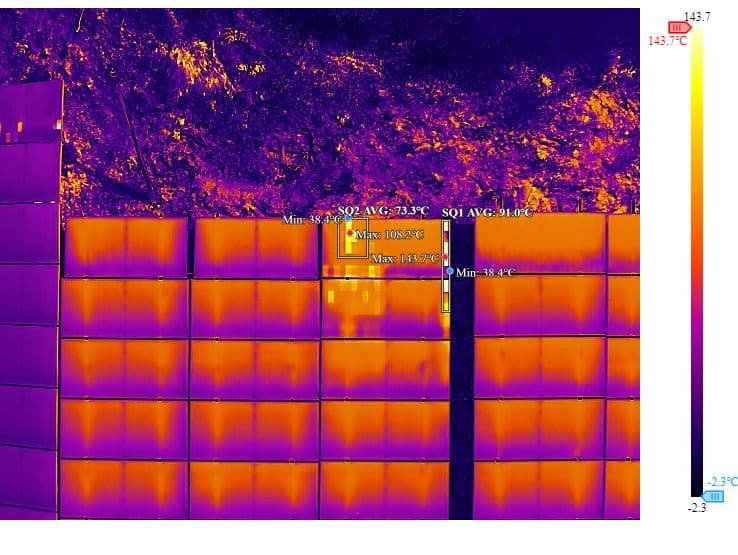
Thermal inspections PV panels, buildings, roofs , 3D models, mapping, inspections of a mobile towers
Bulgaria
InsuredA2 CofC
Aerial PhotographyAgricultural Surveyand 8 more

Scott B.
Real Estate, Mapping, Inspections
United States
InsuredPart 107
360 Video & PhotographyAerial Photographyand 17 more





Howell U.
Aerial Photography, Videography and Photogrammetry
United States
Part 107
Aerial PhotographyAerial Videographyand 7 more

Andrew G.
Real estate, music videos, construction
United States
InsuredPart 107
360 Video & PhotographyAerial Photographyand 12 more

Luke C.
Commercial drone mapping and photogrammetry
United Kingdom
GVCA2 CofC
Aerial PhotographyConstruction Monitoringand 2 more

Chris R.
Aerial Photography, Aerial Filming, Drone HD Live Streaming
United Kingdom
Aerial PhotographyAerial Videographyand 8 more
Other drone services
Aerial PhotographyReal Estate PhotographyProperty Flythrough360 Video & PhotographyAerial VideographyFPV (First Person View)Bridge InspectionFacade SurveyThermal ImagingSolar Panel InspectionInfrastructure & Utilities InspectionLand SurveyTopographical SurveyVolumetric SurveyPhotogrammetryRoad SurveyLiDAR SurveyAgricultural SurveyCoastal SurveyEstate SurveyConstruction MonitoringEvent CoverageWedding VideographyFilm & TV ProductionCinematographyLive StreamingTourism & TravelStock Footage
Browse the full drone pilot directory or explore drone services by location.